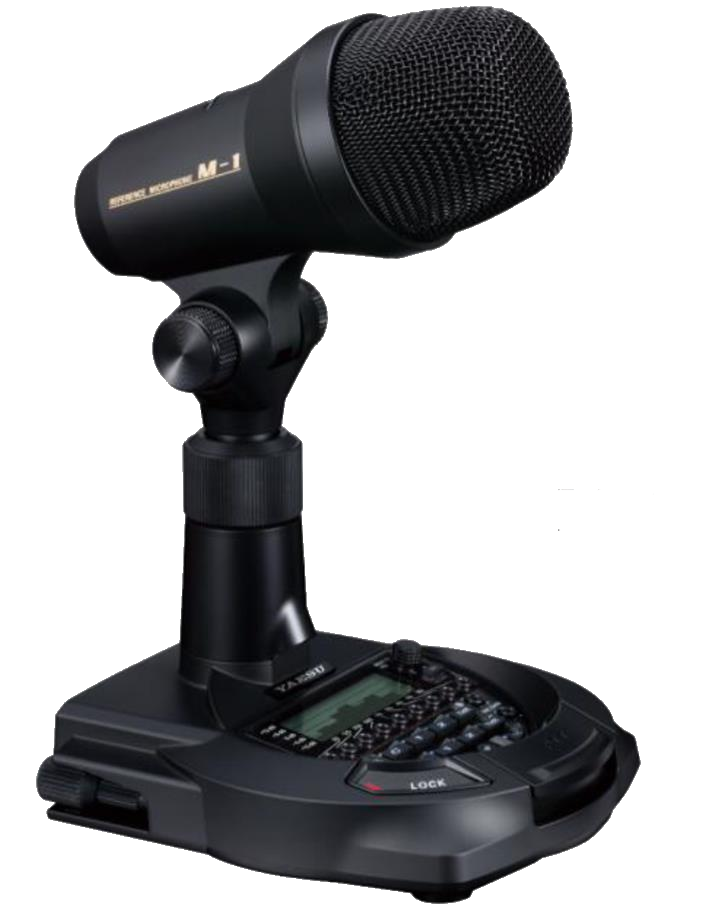
Discovering the World of Amateur Radio
Find essential tools and guides to advance your amateur radio expertise.

Getting Started
Learn the basics to build a solid foundation in amateur radio.

Advanced Techniques
Master complex methods to improve your radio operation skills.

Equipment Essentials
Understand the gear and setup needed for effective communication.
Essential Guidance for New Amateur Radio Operators
Explore this section to find clear, concise answers to the most frequent amateur radio questions, designed to support both beginners and seasoned operators.
What equipment do I need to start with ham radio?
Begin with a basic transceiver, antenna, and a power supply; many beginners opt for handheld models before advancing.
How can I obtain an amateur radio license?
You must pass a licensing exam administered by your country’s telecommunications authority, covering regulations and operating practices.
What are the best frequencies for beginners?
Start with the 2-meter VHF band, which is popular and easier to access with basic equipment.
How do I join local amateur radio clubs?
Search for regional clubs online or through national amateur radio associations to connect with fellow enthusiasts.
Can I operate ham radio from home?
Yes, with proper licensing and appropriate equipment, you can set up and operate from your residence.
What safety precautions should I follow?
Always adhere to antenna installation guidelines and power limits to ensure safe and responsible operation.
How Amateur Radio Works
Explore the essentials of amateur radio, guiding enthusiasts through setup, operation, and community engagement.

Step One: Setting Up Your Station
Start by assembling your radio gear and antennas, laying the groundwork for effective communication.

Step Two: Making Contact
Learn how to tune frequencies, establish connections, and participate in local and global nets.

Step Three: Expanding Your Skills
Discover advanced techniques and resources to enhance your amateur radio experience and knowledge.